
Lower energy cost per kilometre
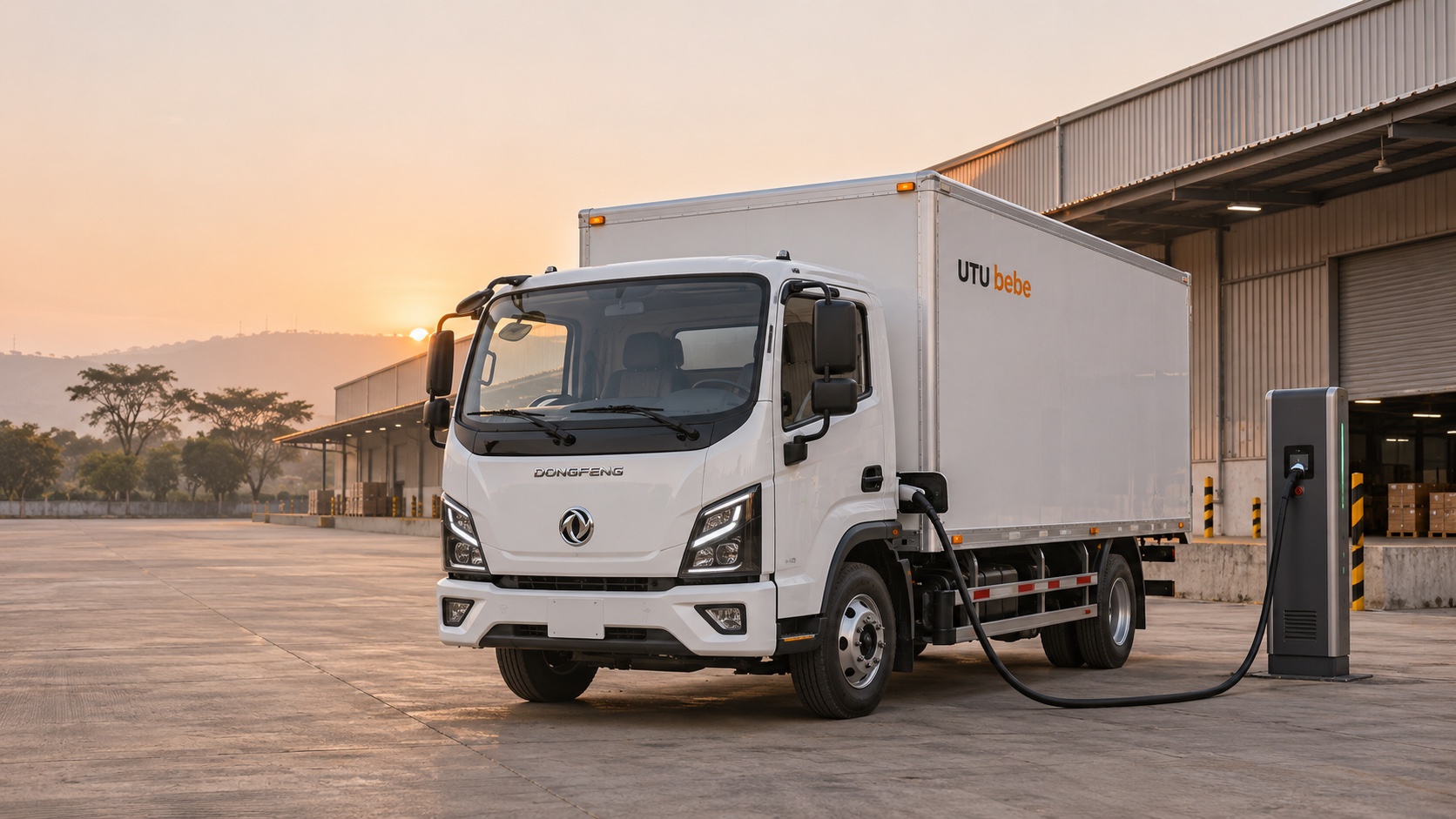
Charging at your depot can cost less than filling up with diesel. Your tariff, load and daily distance determine the saving.
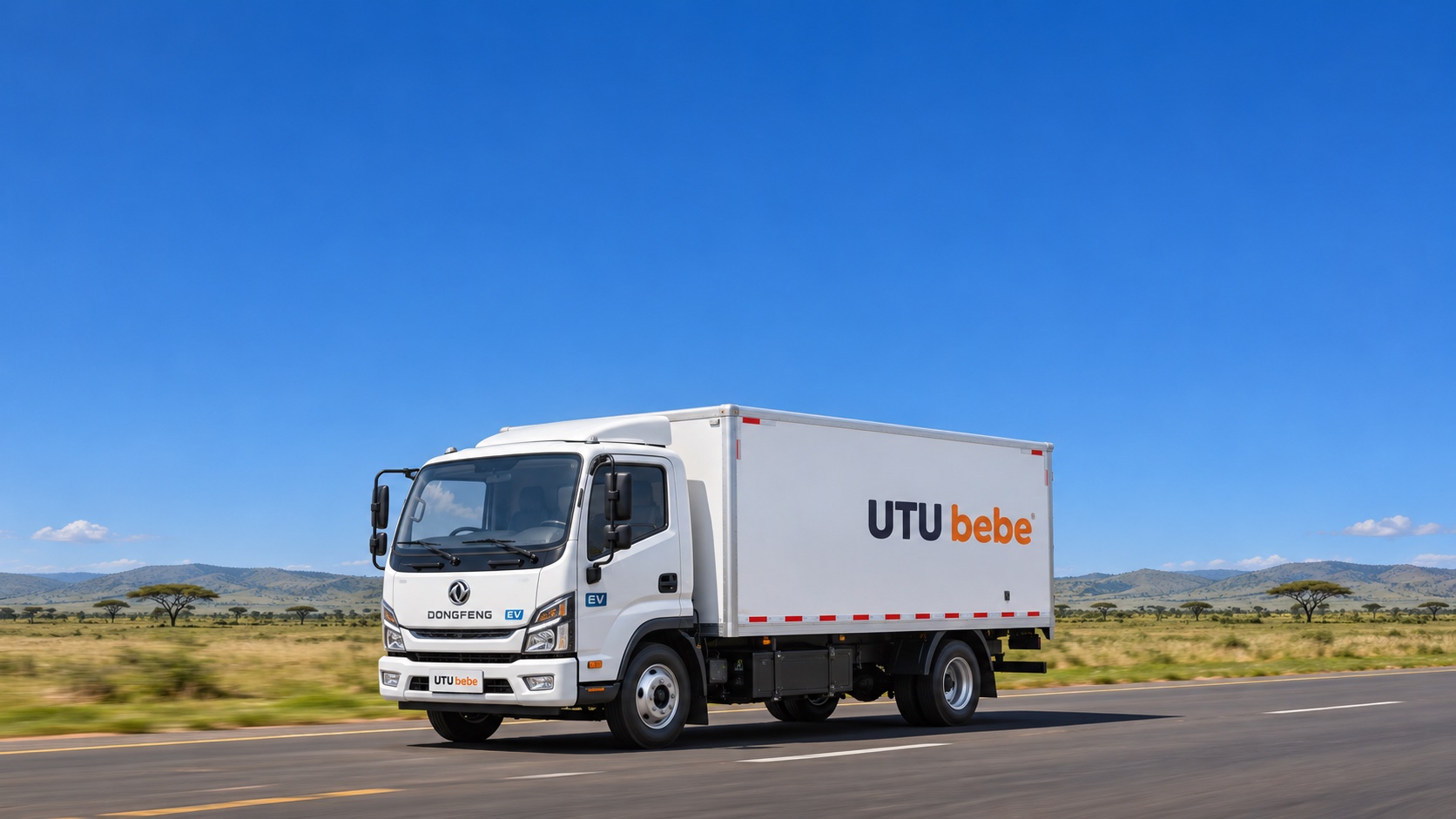
See how much your fleet could save with UTU electric trucks.
At 5,000 km a month, UTU’s seven-tonne example puts diesel at KES 458,000 and electric at KES 360,000 per truck. Actual savings depend on your route and contract.
Estimate savings for your monthly distanceCharging at your depot can cost less than filling up with diesel. Your tariff, load and daily distance determine the saving.
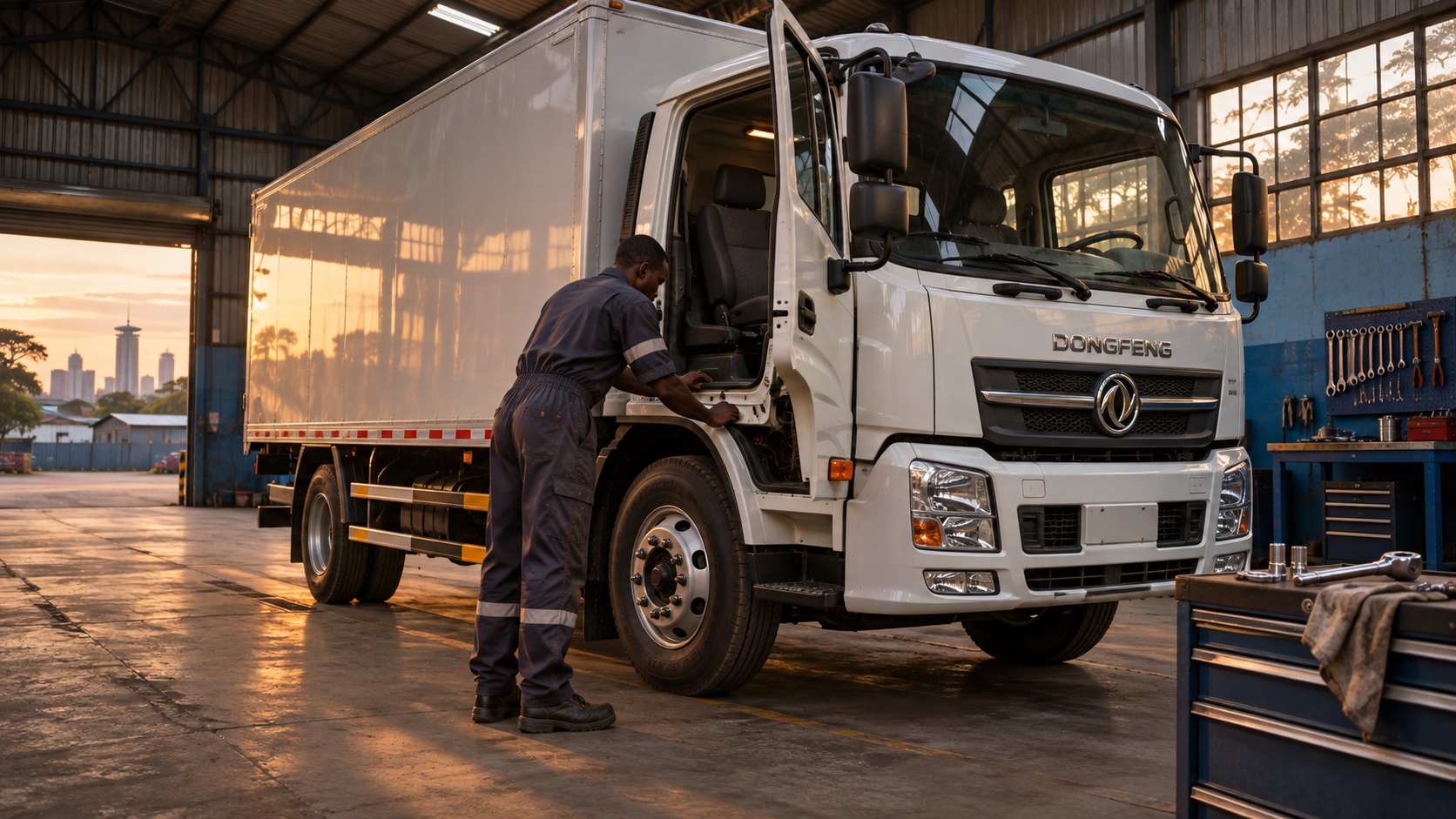
Take engine oil changes, diesel fuel filters and exhaust servicing off the schedule. Tyres, brakes and battery cooling still need regular care.
Electric motors deliver pulling power as soon as you press the accelerator. You feel it leaving a loading bay and moving off again in city traffic.
For trucks that return to base, parked hours can double as charging time. Match the charger to the shift so the next driver can leave with a charged battery.
Without a diesel engine idling at the loading bay, crews have less engine noise to work around on early starts and late drops.
Battery-electric trucks produce no exhaust at the point of use. That keeps diesel fumes away from drivers and loaders working beside the truck.
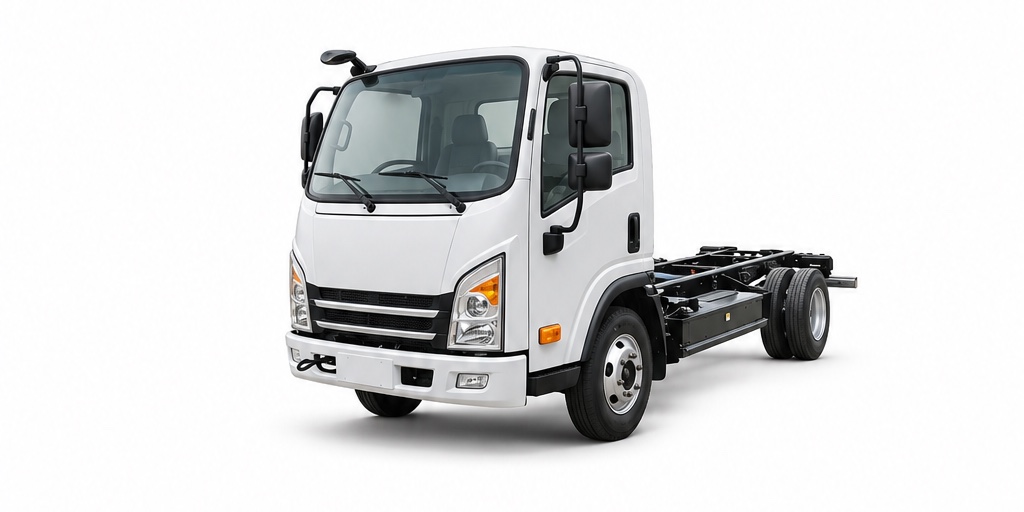
Dropside flatbed
Vehicle images are illustrative. Figures come from UTU’s prototype lineup and await manufacturer confirmation. Gross vehicle weight includes the truck and its load. Ask fleet sales for usable payload, tested range under load, body dimensions and charging time for your configuration.
Set your monthly distance to compare one seven-tonne electric truck with diesel.
The diesel example combines KES 250,000 per month for rental or ownership with KES 208,000 in fuel at 5,000 km. The electric example uses KES 72 per km. The comparison assumes the same load and route. Electricity, maintenance, tax and contract inclusions need confirmation. These figures illustrate a scenario for a separate truck class.
Select a truck and tell UTU about your route.